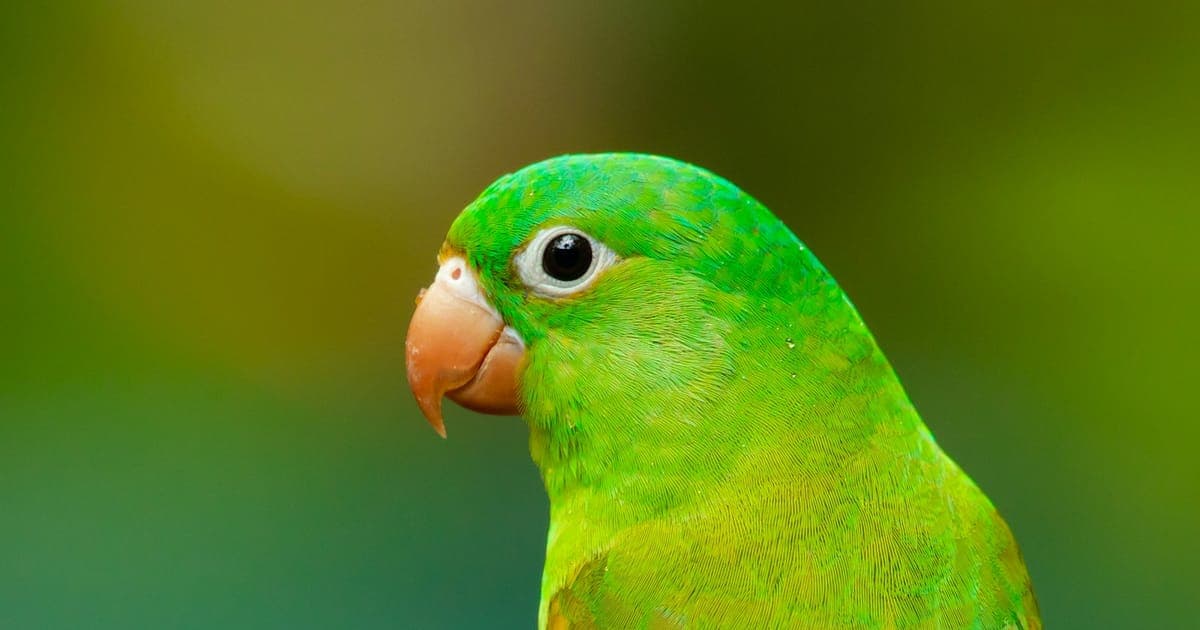
Birds are among the most commonly kept pets in Australia and among the least covered in pet-care writing. If you keep birds you will have noticed that most sitter listings assume a dog. Here is what actually matters.
The air quality issue, which is genuinely urgent
Birds have extremely efficient respiratory systems, which makes them far more vulnerable to airborne substances than mammals. Fumes that a person would barely notice can be dangerous. This is the single most important thing to tell a sitter, and most sitters will not know it.
Write it down explicitly: no aerosols, no scented candles or oil burners, no smoking indoors, and particular care with overheated non-stick cookware, which can release fumes harmful to birds. Ask the sitter to ventilate when cooking and to keep the bird well away from the kitchen.
Tell the sitter in writing
A sitter who lights a scented candle in a room with a bird is not being careless. They simply do not know, because almost nothing in general pet-care advice mentions it. Put it in your handover notes in plain language.
Daily care
- Fresh water daily, and clean the container rather than topping it up.
- The specific diet, which for most birds is more than a seed mix. Write exactly what to give and what quantity.
- Which fresh foods are safe and which are not. Say clearly what must never be offered, including avocado and chocolate.
- Cage cleaning frequency and how you do it.
- Light and dark. Many birds need a predictable and reasonably long dark period, and covering arrangements should be described.
- Out-of-cage time, if any, and the safety routine: windows shut, other animals excluded, fans off, doors closed.
Social needs
Many parrots are highly social and a sudden drop in interaction is stressful. Tell the sitter how much attention the bird is used to and what form it takes: talking, sitting nearby, radio on, being out on a stand. A bird that normally has company all day and is suddenly alone in a quiet house can develop problems including feather plucking.
Warning signs that need a vet
Birds hide illness until it is advanced, so any visible sign should be treated as significant rather than watched. Sitting fluffed up on the cage floor, tail bobbing when breathing, discharge from nostrils or eyes, a change in droppings, not eating, or unusual quietness all warrant contacting the owner promptly and a vet where directed.
Importantly, not every vet treats birds. Owners should leave the name of an avian vet specifically, and its opening hours, rather than assuming the nearest clinic can help.
This is general information, not veterinary advice. Follow the owner's written plan and their vet's guidance.