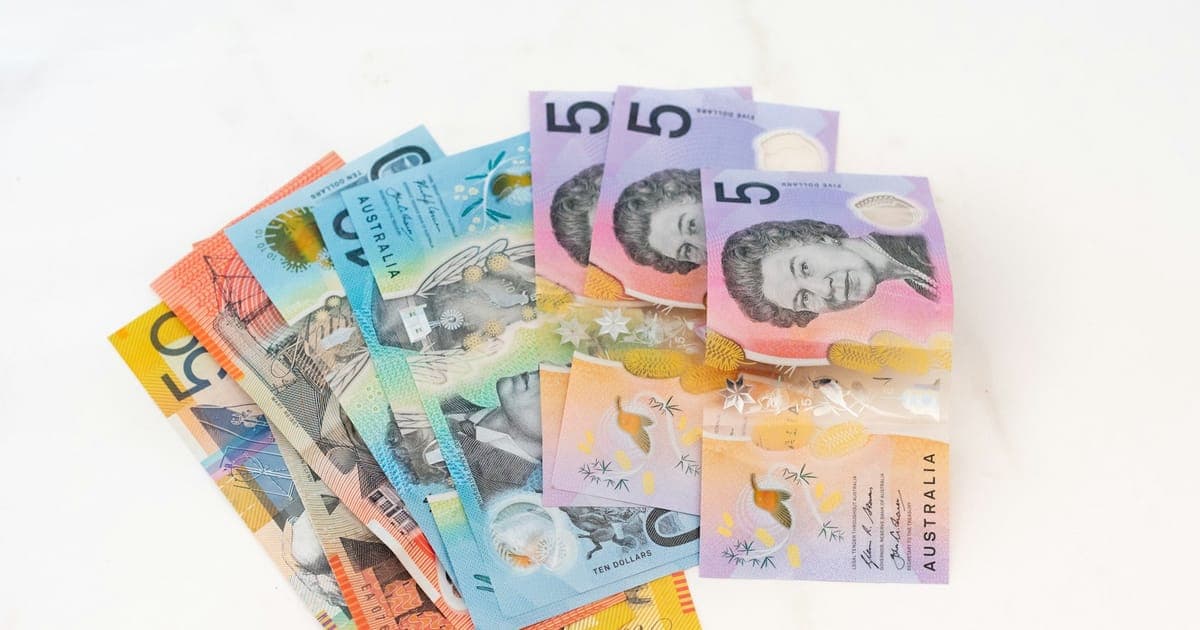
Most Australian house sitters are paid nothing for the sit, because the accommodation is the payment. The sitter lives in the home free for the dates agreed, cares for the pets and the house, and no fee passes in either direction. A minority do charge, and the Australian exchange platforms allow it. Aussie House Sitters' own FAQ, read on 22 August 2026, says a house sitter can charge between $20 and $100 or more a day, and that a sitter who expects payment must make it expressly clear before anything is agreed.
Which side of that line you are on is settled before the sit starts, not halfway through it. This is the sitter's half of the money question: what you actually receive, where charging is normal and accepted, and what changes the moment a fee is involved. The homeowner's half is in do you pay a house sitter in Australia.
Most Australian house sitters are not paid, and the platforms say so themselves
| Platform | Its published position on payment | Can a sitter charge a fee |
|---|---|---|
| Aussie House Sitters | House sitting is usually an unpaid exchange of services, the sitter staying in the home in exchange for free temporary accommodation | Yes. A sitter who expects payment must make it expressly clear in their profile and initial conversations |
| Mindahome | The majority of its house sitters do not get paid, and sit in exchange for free accommodation | Yes. It says some home owners will offer a payment depending on what is involved and the duties required |
| TrustedHousesitters | Its sitters sit for love, not money, and after paying an annual membership no money changes hands between members | Not within the model it describes |
| Sitterly | A non-monetary exchange. No money changes hands for the sit, and there is no per-booking commission | The arrangement is between the two members. Sitterly processes no payments and takes no cut of anything |
Those are the platforms' own words on their own pages, checked on 22 August 2026. Aussie House Sitters publishes the range and the disclosure duty across its house sitting FAQs and sitter FAQs. Mindahome's want to be a house sitter page says the majority of its house sitters do not get paid, then adds that depending on what is involved and the duties required, some home owners will offer a payment. Its house sitting cost page treats a small payment afterwards as an expression of appreciation rather than a rate. Unpaid is the norm, and a fee is the documented exception.
What you receive instead is not nothing. You pick the suburb and the dates and pay no rent for either, which for someone bridging a gap between rentals in Wollongong or saving a deposit while sitting in Bendigo is worth more than a nightly fee would be. How much you can save house sitting puts a figure on it state by state.
Charging is allowed on the exchange platforms, and one of them makes it compulsory
The clearest published case in Australia is a commercial one. Aussie House Sitters' homeowner FAQs, read on 22 August 2026, state that they allow Airbnb and other commercially related home businesses, that the house sitter must be paid for their work, and that this must be clearly stated in the homeowner's ad. Minding a household is an exchange. Running someone's short-stay business while they are away is a job, and their own rules treat it as one.
The same platform puts a matching obligation on the sitter: if you do expect payment, you must make this expressly clear in your profile and initial conversations. That is a fair rule and worth following wherever you sit. A fee raised after a homeowner has accepted an unpaid arrangement reprices something they already said yes to, and it is the quickest way to lose both the sit and the reference.
These are the circumstances where Australian sitters charge
| The circumstance | What the fee is really for | How it is usually handled |
|---|---|---|
| The home runs a business, such as short-stay accommodation | Work for a commercial operation rather than care of a household | Aussie House Sitters requires payment and requires the ad to disclose it |
| Livestock, a hobby farm or acreage outside a town like Toowoomba | Daily physical work that has nothing to do with the pets | A set weekly amount, agreed and written down before the sit |
| Several animals, or twice-daily medication and post-surgical care | Nursing hours, and the responsibility that comes with them | Some owners offer payment, others reduce the workload instead |
| Trades, deliveries or a renovation to supervise | Being tied to the house on somebody else's timetable | Priced by the day, or declined as outside the sit |
| A pool on a service schedule, or a large lawn through a Perth summer | Property maintenance the accommodation was never meant to buy | Named in the listing, or a contractor is arranged |
| A long drive to a specialist vet in another town | A cost you did not sign up for, rather than a fee for your time | Reimbursed at the time, not argued about afterwards |
None of that is a rate card, and Australia has no standard rate for a paid sit. What sets the number is the hours involved and what they are worth to that homeowner, in that suburb, for those dates. Put whatever you agree in writing with the tasks it covers, which is what the house sitting agreement is for. Settling which tasks are ordinary comes first, and what a house sitter is actually responsible for draws that line.
On a long sit, the money more often runs the other way
New sitters are usually surprised by this one. Aussie House Sitters' sitter FAQs say that in most cases the owner is happy to cover the utilities in exchange for the sitter taking care of the home and pets, and then that on longer term sits, for example four weeks or more, it is normal for the house sitter to contribute to or even cover utility usage costs such as heating, cooling, electricity and possibly internet. Read on 22 August 2026. So on a three-month sit through a Katoomba winter, the realistic conversation is not what you will be paid. It is how much you are chipping in for the heating.
Paid house sitting jobs in Australia are mostly paid pet sitting under another name
Search for paid house sitting jobs and most of what comes back is the other market: an overnight in-home booking on a platform that takes a commission from the fee you set. Real work, real money, and a different product from an exchange sit. Paid pet sitting versus free house sitting sets the two side by side.
What matters there is what lands in the account. Checked on 22 August 2026, Mad Paws publishes a 20 per cent commission, or 15 per cent for sitters who joined before 29 June 2017, so you keep $80 of every $100 you charge, or $85 on the legacy rate. Pawshake publishes 19 per cent and states that the sitter receives 81 per cent, with sitters setting their own rates inside minimums and maximums Pawshake imposes. PetCloud's sitter commission was published nowhere on its site on that date, and its own recruitment page carried a live placeholder saying the sitter service fee and payout details were still to be confirmed. What pet care actually costs in Australia shows which published rate figures contradict themselves.
Put the money question in your first message
One line prevents nearly every argument in this category. Something like: to confirm, I am applying on the usual non-monetary basis, so there is no fee either way, you cover the pets' costs and the bills, and I cover my own groceries. If you do intend to charge, name the number and what it covers in that same first message, before a homeowner has agreed to anything.
Charging changes what you are, not only what you earn
Take a fee often enough and the question stops being about house sitting. business.gov.au's guidance on the difference between a business and a hobby says the key differences are your tax, insurance and legal obligations, and describes a business as an intention to profit plus repeated activity and businesslike record keeping. The ATO's are you in business page, last updated 15 April 2026, adds the part that catches sitters out: profit can be in money, but it can also be made through other means, like being paid with goods or services in a barter deal. Charging changes what a homeowner can expect too, because the ACCC's consumer guarantees attach to services supplied in trade or commerce. Where any of that reaches your own sitting depends on facts an article cannot see, so house sitting and tax in Australia sets out the published material and a registered tax agent finishes the question. General information, not tax, legal or insurance advice.
Sitting for free is not free labour, until the workload says otherwise
An exchange is not unpaid work when what you receive is worth what you give: accommodation you chose, on dates you chose, with no rent. It stops being that when the listing said one easy cat and the house holds four animals, a pool and an acre of lawn. Price the extra work or decline the sit, rather than absorbing it and resenting it. Where the real question is about employment law, the Fair Work Ombudsman's guidance on unpaid work is where to take it, not a house sitting blog.
Where Sitterly stands, and what this article leaves out
Sitterly runs the non-monetary model and nothing else. No money changes hands for the sit, there is no per-booking commission, listing is free for homeowners permanently, and it is free for sitters through the current growth phase with a flat-fee subscription planned. Sitterly processes no payments, publishes no rates and does not mediate money disputes. Sitterly supports the connection. Homeowners and sitters remain responsible for their own arrangements. Whether a long stay gives a sitter any occupancy or tenancy status is a question of state and territory residential tenancy law for your fair trading or consumer affairs office, and visa questions for sitters arriving from overseas belong with the Department of Home Affairs.
What sitters ask about the money
- Do house sitters get paid in Australia?
- Usually not. In the exchange model the accommodation is the whole of what the sitter receives and no fee passes either way. Aussie House Sitters and Mindahome both describe unpaid sitting as the normal arrangement on their own pages, checked on 22 August 2026, while allowing a fee where the duties justify one.
- How much can a house sitter charge in Australia?
- There is no standard rate and no Australian authority publishes one. Aussie House Sitters' FAQ, read on 22 August 2026, gives $20 to $100 or more a day, which is that platform's own guidance rather than a market figure. The hours involved set the number.
- Can I ask for payment on a free house sitting site?
- On Aussie House Sitters, yes, provided you make it expressly clear in your profile and initial conversations. The principle travels: say it before an unpaid arrangement has been accepted, not after.
- Do house sitters pay rent or bills?
- No rent. On short sits the homeowner usually covers the utilities. On sits of about four weeks or more, Aussie House Sitters describes it as normal for the sitter to contribute to or cover utility usage such as heating, cooling and electricity, so agree it before you arrive.
- Is a thank-you payment at the end normal?
- Accepted, but not expected. Mindahome's cost page treats a small payment as an expression of appreciation for a job well done, not as something a sitter should count on when deciding whether a sit is worth taking.
Work out which of the two markets your next few months belong in before you apply for anything. If it is the exchange, create a sitter profile saying plainly that you sit on a non-monetary basis and what workload you will take on, then go through the sits already open and apply to the ones you would still want at the end of a long week.
Competitor positions and prices here were read from live pages on 22 August 2026 and may have changed since. This is general information about how Australian house sitting arrangements are structured, and it is not tax, legal, veterinary or insurance advice.