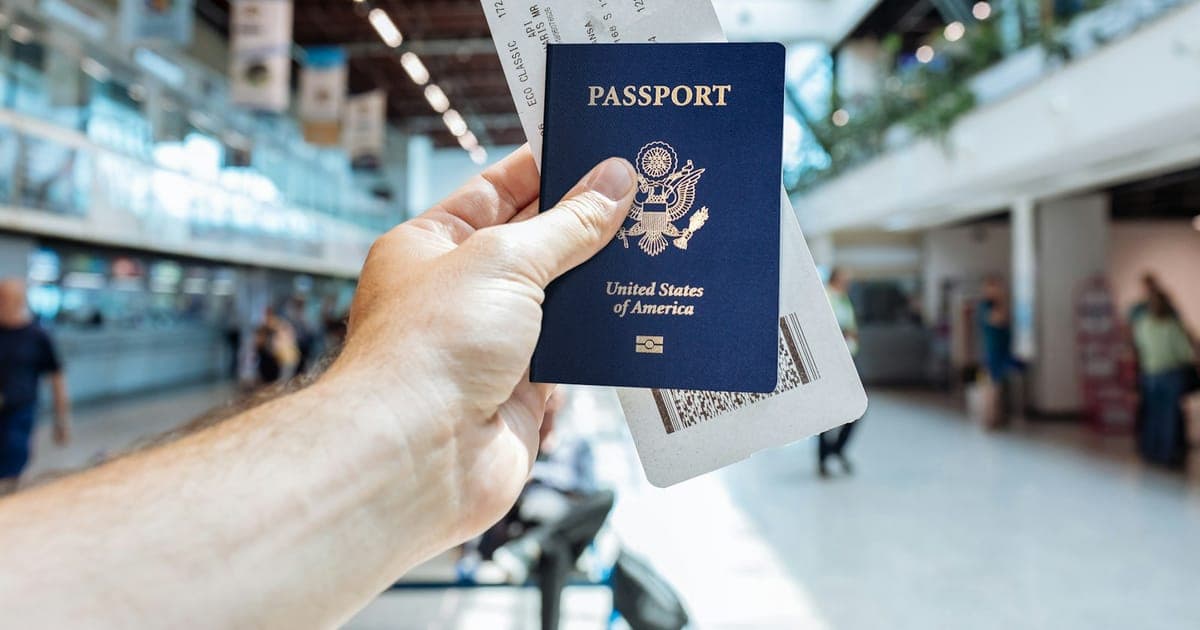
House sitting in Australia is as safe as the checking the two of you actually do, because on the platforms where a sitter stays in your home free, screening is optional and mostly left to you. Of the seven Australian house and pet sitting platforms audited for this site on 22 August 2026, three disclaim screening or responsibility for it in their own FAQs or terms, one publishes that police checks are optional and self-selected, one promotes police checking as standard without publishing who pays for it, and for two we could not establish a screening standard at all. A platform gives you a filter, a written record and a way to report someone. What makes one particular sit safe is the identity document you see with your own eyes, the certificate whose issue date you read, the homeowner referee you ring, and the hour you spend watching this person with your animals in your own kitchen.
Sitterly publishes this article, so our own limits sit in the same table as everyone else's, in the same plain words. Every competitor statement below was read from that company's own live pages on 22 August 2026 and re-checked by a second researcher. Where something could not be read, we say so rather than guess.
On the exchange platforms, screening is optional, and three say so in their own words
The clearest statement in the category belongs to Aussie House Sitters, running since 2004. Its homeowner FAQ answers "Do you vet your sitters?" with "We do not screen our sitters. We are a meeting place for sitters and home owners to find each other only." Its page for placing a homeowner ad markets the opposite tone, offering "Unlimited access to ID verified, 5★ sitters". Both are live on the same domain, and the ID check behind the badge is a one-off $5 optional check run by a third party, Trulioo, which the site says it cannot refund and cannot guarantee will succeed.
Two others put it in their terms. Mindahome, run from Ferntree Gully in Melbourne's outer east since 2008, states that "The full extent of the Mindahome service is to provide a means for these people to contact each other". Pawshake says it is "not a party to any agreements entered between the users, nor is Pawshake a broker, agent or insurer", and takes no responsibility for background checks or identity verification.
The paid marketplaces land close by. Mad Paws, owned by Rover since 11 November 2025, says in its terms that its booking fee funds safety measures "such as our thorough 4-step Sitter vetting process and police background checks", while its published position is that those checks are optional and self-selected. PetCloud is the outlier, promoting "100% Police checked" and publishing nowhere who pays or what it costs. Happy House Sitters' pages were not readable by our research method on 22 August 2026, so we make no claim about what they check.
| Platform | Model | What it publishes about checking members | What it disclaims or leaves unpublished |
|---|---|---|---|
| Sitterly | Exchange | Automatic email verification, and an optional police check started by the member and reviewed by an administrator. Homeowners can filter by police check | Does not vet, screen, approve or supervise members, does not require a police check, provides no insurance |
| Aussie House Sitters | Exchange | Optional $5 ID check run by Trulioo, four-category reviews, references, a reply rating and tenure badges | Its homeowner FAQ states it does not screen sitters, while its place-an-ad page markets unlimited access to ID verified sitters |
| Mindahome | Exchange | An ID check and badge is included in membership on both sides | Its terms describe the full extent of the service as a means for the two parties to contact each other |
| Happy House Sitters | Exchange | Not established. Their pages were not readable to our audit on 22 August 2026 | Read their own terms and ask them directly |
| TrustedHousesitters | Exchange, UK entity | Its Australian pricing page answers a question on how sitters are verified, and Standard and Premium include a Home and Contents Plan quoted at up to $1 million USD | We could not establish what criminal-history checking, if any, applies to Australian members. Ask before you pay |
| Mad Paws | Paid | Its terms describe the booking fee as funding a four-step sitter vetting process and police background checks | Publishes those checks as optional and self-selected, and does not publish how many sitters hold one |
| Pawshake | Paid | Offers sitters a police check through a third party, Intercheck. The badge lapses after 12 months if not renewed | On 22 August 2026 that page said the service was unavailable. Its terms take no responsibility for background checks |
| PetCloud | Paid | Promotes being 100% Police checked across its homepage and trust pages | Does not publish who pays for the check or what it costs |
Read the two right-hand columns together, because that is the honest picture. Not one of the seven explains the difference between identity confirmation and criminal-history screening, which is the distinction a homeowner most needs. An ID check confirms a document belongs to the person holding it. A police check reports disclosable court outcomes against a name, on one date. Neither is a character reference.
A badge tells you who someone is, and a certificate tells you about one day
The Australian Criminal Intelligence Commission, which runs the national system, publishes that a result is a point in time check only, reflecting police records on the date and time it was released, with no standard validity period. The Australian Federal Police publishes $56 for a National Police Check, or $113 where fingerprints are needed, and says anyone can apply for their own. You cannot order one about somebody else, so this is a document you ask a sitter for rather than something a platform can do to them.
What each badge proves is set out in what pet sitter verification actually means, and the order to run the checks in is in our guide to vetting a house sitter. How to obtain a check, and what a sitter can fairly ask for in return, is in our piece on cameras, police checks and privacy.
The bigger risk is what the terms say happens when a sit goes wrong
Screening gets the attention. The exposure sits in the paragraph you agreed to when you joined. Australian platforms differ enormously here, and the differences are published, just not on the page selling the membership.
| Platform | Its published position |
|---|---|
| Sitterly | Holds no funds, provides no insurance, does not mediate disputes and will not replace a sitter who cancels |
| Aussie House Sitters | Its terms state the platform will have no liability or obligation to you if a sitter cancels, and require you to maintain adequate insurance covering a sitter residing in your home |
| Mindahome | Its terms describe the service as a means for the two parties to contact each other, and say it is not acting as agents for any third parties |
| TrustedHousesitters | Home and Contents cover up to $1 million USD, on Standard and Premium only, and only if you already hold a home insurance policy. Sit cancellation cover is Premium only. Its money back promise refunds membership only where you receive no sitter applications within 14 days |
| Mad Paws | Its guarantee page states in capitals that the guarantee is not insurance. It names no underwriter, imposes a $350 minimum contribution, pays only in excess of any other insurance, and excludes injury to the owner, the sitter or their households |
| Pawshake | Guarantee of $2,500 with a $250 excess, always secondary to other insurance, and excluding property damage outright. Its terms are governed by California law and cap aggregate liability at US$100 |
Three things follow. A platform holding no money has no mechanism to compensate anyone, which is true of every exchange platform including this one. A guarantee is not insurance unless the document says so, and one Australian paid marketplace says in capitals that its guarantee is not. And cover conditional on you already holding home insurance is worth whatever your own policy is worth.
Your own insurer is likely to be stricter than any platform
This is the question Australian homeowners raise most and get answered least. Consumer Protection WA, in guidance on house, pet or baby sitting services last updated 21 November 2024, warns that "many policies have exclusions for deliberate damage and theft caused by people lawfully invited onto your property". A house sitter is, by definition, lawfully invited.
That is general information rather than insurance advice, and your answer is in your product disclosure statement rather than in anyone's marketing. Our guide to what a house sitter does to your home insurance covers the clauses to look for, and who is liable for what during a sit covers damage from both sides.
Describe the arrangement accurately
It is tempting to describe a sitter to your insurer as friends staying over. That is a misdescription of the arrangement and it could cost you a claim. Say what it is, a non-paying live-in sitter, and ask for the answer in writing.
Safety comes from a sequence, and none of it needs the platform
Four steps, in this order, and about an hour of your time. Ask to see the certificate and the ID document on a video call, reading the issue date rather than the badge. Ring two referees, at least one a homeowner they sat for. Meet at your place with your animals in the room. Then write it down before the key changes hands, which our house sitting agreement guide sets out clause by clause.
Consumer Protection WA's Commissioner's blog on house sitting rights, published 9 April 2025, gives the same advice from a regulator rather than a platform: ask for references you can personally contact, ask to see a National Police Certificate, and read an intermediary website's terms so you know what rights you have.
Sitterly's limits, in the same plain words we used for everyone else
Verification here is email, which is automatic, and an optional police check. A member starts it, an administrator reviews it, and homeowners can filter sitter profiles by police check. Some members have completed the check and some have not, which is why the filter exists. Reviews appear only once a booking is completed, so there are fewer of them on a newer platform than there will be. Profiles show a suburb rather than a street address, messaging stays on the platform so there is a record, and there is a Report function.
Our community guidelines require real photos of yourself rather than stock images, ban multiple accounts and impersonation, require homeowners to disclose health conditions and behavioural issues honestly, ban inviting guests into a home without consent, and require any injury to a pet to be disclosed promptly. Breaching them can lead to a warning, suspension, permanent removal, or referral to the authorities where the conduct is illegal.
What Sitterly does not do
Sitterly does not vet, screen, approve or supervise members, does not require anyone to hold a police check, provides no insurance, does not mediate disputes, and will not replace a sitter who cancels. A badge records that a document was supplied and reviewed. It is not a judgement about the person. Sitterly supports the connection. Homeowners and sitters remain responsible for their own arrangements.
That posture is on about Sitterly too, and it is why we can write this page at all. A platform whose marketing implies protections its own terms disclaim cannot answer this question without contradicting itself.
Sitters carry the mirror image of this risk, and nobody checks the homeowner
A sitter is asked for identity documents, a criminal history certificate and referees, then travels to an address they may only have seen in photographs to sleep in a stranger's house. The homeowner supplies a listing. A sitter driving from Fremantle to a fortnight in Coorparoo is entitled to ask their own questions: every camera disclosed before they accept, a video walk-through including the room they will sleep in, and notice before anyone else enters the house.
Two things should end a conversation on either side. Any request for money is not this model at all, because no money changes hands for the sit and there is no per-booking commission, so a deposit, bond or holding fee to secure dates is a reason to stop and report the approach to Scamwatch, which the ACCC runs. And pressure to move off the platform before you have met removes the written record.
Common questions
- Are house sitters police checked in Australia?
- Not automatically, on any platform we audited on 22 August 2026. On the exchange platforms a check is optional and the sitter obtains it themselves. PetCloud promotes 100% police checking without publishing who pays, Mad Paws publishes that checks are optional and self-selected, and Pawshake's check route said it was unavailable that day. Ask the sitter to show you the certificate and read the issue date.
- Is my home insurance affected by having a house sitter?
- Possibly, and only your insurer can answer it for your policy. Consumer Protection WA warns that many policies exclude deliberate damage and theft caused by people lawfully invited onto your property. Describe the arrangement accurately and ask for the answer in writing.
- What happens if a sitter cancels a week before I fly out?
- That depends on the platform's terms and usually on nothing else. Aussie House Sitters' terms state it has no liability or obligation to you if a sitter cancels, TrustedHousesitters gates cancellation cover to its top tier, and Sitterly holds no funds and will not replace a cancelled sitter. Build the fallback into your plan, not into the platform.
- Does a house sitter get any right to stay in my home?
- That sits outside what this article covers, because residential tenancy law differs between states and territories. Put it to your state or territory consumer affairs or fair trading agency, or to your own solicitor.
Start with the filter, then do the checking yourself
Open sitter profiles, apply the police check filter, and see how the field narrows. Then treat what is left as a shortlist rather than an answer: ring the referees, read the issue date on the certificate, and meet at your place with your animals in the room. Listing is free for homeowners, always.
This article is general information only and is not legal, insurance or veterinary advice. Competitor statements, agency fees and published wording described here were read on 22 August 2026 and platforms revise their terms without notice. For your own policy, speak to your insurer. For a dispute a platform will not resolve, the ACCC lists the state and territory agencies that can help.